Mobility As Service Brochure Templates for Embroidery Projects
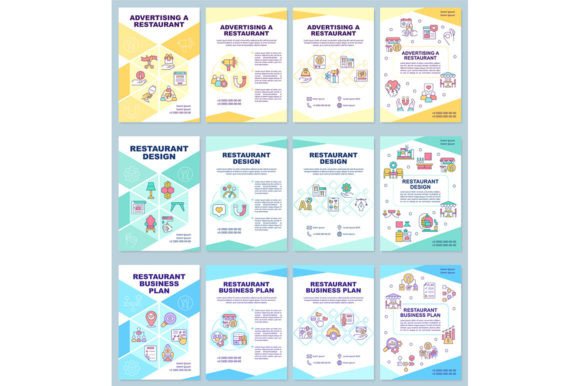
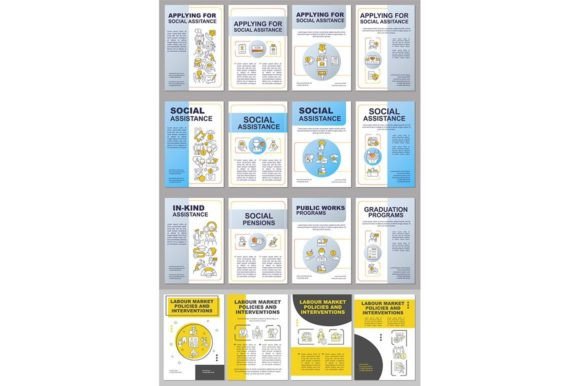
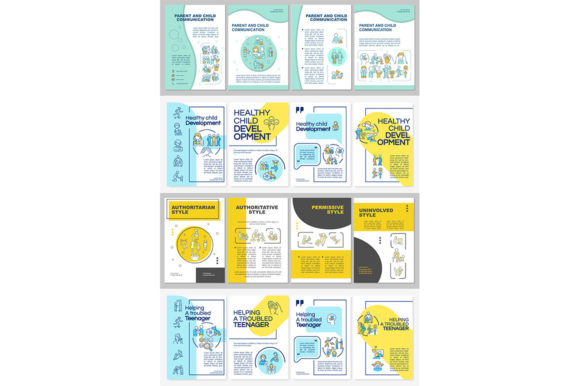
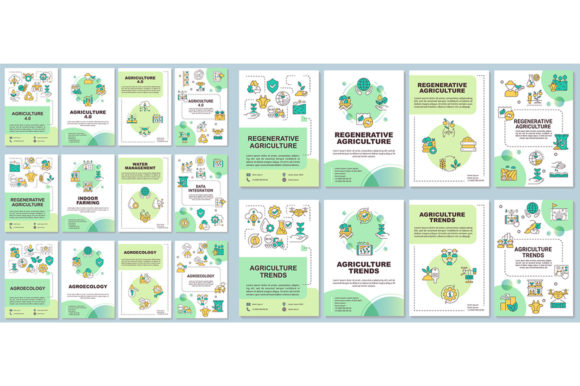
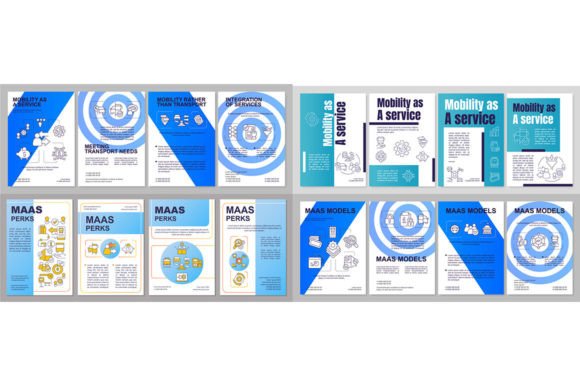
As an experienced designer and embroidery product reviewer, I always look for design templates that offer both visual appeal and practical functionality. When I first opened the Mobility As Service Brochure Templates, I was immediately drawn to its clean, modern layout and the use of linear icons that give it a professional and organized feel. While this set is technically categorized under Graphic Templates, its structure and design language have a surprising amount of potential when adapted into real-world embroidery projects.
First Impressions and Design Mood
The overall mood created by these templates is one of efficiency and clarity. The layouts are minimalistic yet informative, which makes them ideal for branding or informational pieces. In terms of embroidery, I can see how this aesthetic could translate well into custom apparel like sweatshirts or tote bags—especially for businesses in the transportation or tech sectors looking to communicate innovation through their embroidered products.
What stands out is the balance between detail and simplicity. The vector-based nature means there’s room for customization without losing quality. This is particularly useful if you're working with clients who want specific elements added or modified, such as company logos or text blocks. However, as a designer, I also note that the linear icon style may not suit every project, especially those aiming for a more ornate or traditional embroidery look.
Real-Life Use Scenarios
Let’s imagine a scenario: You’re an Etsy seller specializing in custom apparel. A client approaches you with a request for a branded tote bag design that reflects their startup’s mission around sustainable mobility. The Mobility As Service Brochure Templates could serve as a great starting point for your design concept.
You take inspiration from the brochure’s layout and convert key elements into an embroidery file. The linear icons become stylized applique designs, while the bold typography works well for satin stitch lettering on cotton or twill fabric. The result is a handmade product that feels both artistic and professional—perfect for elevating the product value and building customer trust.
Another use case might involve creating holiday gifts for a boutique. The brochure’s structured approach could be reimagined into an embroidered patch or a small graphic on a pillow cover, where the message is clear and the design doesn’t overwhelm the fabric. For commercial embroidery, the same principles apply but require extra attention to scalability and licensing.
Design Performance Across Embroidery Projects
- Custom Apparel: The design's flat, modern style suits t-shirts and sweatshirts, especially when using fill stitch for background graphics and running stitch for subtle accents.
- Baby Items: If simplified, the layout could work for baby embroidery—think soft, rounded versions of the icons used on onesies or bibs.
- Tote Bags: The structured layout translates well into a tote bag design, especially if paired with a solid color background and high-contrast thread colors.
- Aprons and Patches: These items benefit from the clean lines and lack of clutter. The template’s emphasis on readability ensures that even small-scale embroidery remains legible.
- Printable Mockups: Since the templates are part of a brochure set, they naturally lend themselves to digital design assets for previewing embroidered products online. They help maintain brand consistency across promotional materials and physical goods.
Where Caution Is Advised
While the Mobility As Service Brochure Templates offer versatility, there are scenarios where adaptation is necessary. For example:
- Small Hoop Sizes: The original design includes multiple layout variations. When translating into embroidery, ensure that the most important elements fit within the available hoop space.
- Textured or Stretchy Fabrics: Linear icons and fine details may lose definition on fabrics like denim or jersey unless the stitch density is adjusted accordingly.
- Dark Fabric Backgrounds: Thread contrast becomes crucial here. Without sufficient lightness difference, the stitch clarity may suffer, making the design less effective visually.
- Curved Surfaces: Embroidering on caps or curved surfaces requires careful planning. The brochure’s sharp corners and straight lines may need rounding or simplification to avoid distortion after stitching.
- Frequent Washing: If the design is going onto something like a kitchen towel or baby garment, consider the durability of the stitches and the type of stabilizer used to prevent puckering over time.
Visual Appeal and Professionalism
One of the biggest strengths of this template is its ability to enhance the visual appeal of any project it’s applied to. The consistent use of line weight and spacing gives the final finished product a polished, professional look—something that appeals to small shop products and craft business owners alike.
When converted properly into an embroidery project, the design maintains its personality without becoming too busy. It’s easy to spot the main message, which is essential for personalized gifts or nursery decor where clarity is key. Customers will likely appreciate the modern, clean presentation, especially if the theme aligns with their brand or values.
Practical Designer Notes
Before committing to a full production run or adding the design to your digital embroidery file collection, here are some steps I recommend:
- Test on Scrap Fabric: Especially if you're adapting the design for holiday embroidery or giftability-focused items, seeing how the thread colors interact with actual fabric is vital.
- Review Stitch Density: Dense areas might cause issues on thin or stretchy materials. Adjust accordingly for optimal results.
- Confirm Hoop Size: Make sure all elements fit comfortably within the hoop. Overcrowding leads to poor stitch quality and customer dissatisfaction.
- Inspect Small Details: The brochure features intricate linework. Ensure your machine and software can handle these accurately, especially if converting to applique design.
- Use Proper Stabilizer: Depending on the fabric, choose a stabilizer that prevents shifting during stitching to preserve design accuracy.
- Check Licensing: Since the templates are part of a commercial product, confirm whether you’re allowed to use them in commercial embroidery or digital sales before offering the finished item for sale.
Adaptation for Different Markets
If you're an apparel decorator or handmade shop owner, you can repurpose the core elements of the Mobility As Service Brochure Templates into various formats. For instance, a simplified version of the design could be used on a sweatshirt embroidery for a tech-savvy youth audience, or transformed into a minimalist embroidered patch for a capsule collection.
For creative entrepreneurs selling digital product previews, these templates can act as mockup overlays or sample graphics to showcase how your embroidery would look on different items. Just make sure the file formats included in the zip are compatible with your editing tools. Unfortunately, the provided format (EP) isn't specified further, so it's worth checking what software you'll need to open and modify the files.
Final Thoughts for Embroidery Designers
The Mobility As Service Brochure Templates aren’t just static graphics—they’re a source of inspiration and structure for those of us in the embroidery world. Their adaptability allows them to blend seamlessly into a range of handmade products, from personalized gifts to small business merchandise. But remember, success lies in thoughtful customization and understanding the limitations of each medium.
Ideally suited for Graphics that prioritize information and aesthetics equally, this set can add a layer of sophistication to your embroidery project portfolio. Whether you're preparing for a craft fair or updating your Etsy listings, taking the time to evaluate how this design will perform in your specific context will pay off in the long run.
In summary, the Mobility As Service Brochure Templates bring a fresh perspective to embroidery design. With the right adjustments, they can become valuable design assets that elevate your finished product and strengthen your brand recognition in the market.