Social Assistance Brochure Template Set Review for Embroidery Projects
As an experienced embroidery designer and product reviewer, I always look for design assets that can translate well from screen to stitch. The Social Assistance Brochure Template Set caught my attention not just as a graphic resource but also as something that could be creatively adapted into real-world embroidery projects. While it's clearly intended for print and digital use, I've found myself imagining how its clean structure and visual elements might work when transformed into embroidered items like tote bags or sweatshirts. Let me walk you through what I see—and what to keep in mind if you're thinking of using this template set beyond brochures.
A Clean Look with Strong Visual Structure
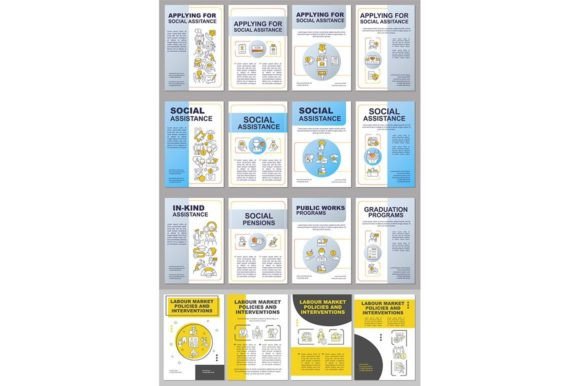
The first thing I noticed about the Social Assistance Brochure Template Set is its professional and modern feel. Designed with linear icons and a straightforward layout, it conveys clarity and accessibility—traits that are especially important in social services communication. The fonts used, Arial-Black and Myriad Pro-Regular, are bold yet readable, making them suitable for both large-format printing and smaller, stitched outputs where legibility is key.
What stands out most is the mood: helpful, approachable, and informative. This isn’t flashy or trendy, but it’s exactly what many crafters and small business owners need when creating handmade products that carry messages of support, community, or awareness. The simplicity of the design makes it adaptable for a wide range of embroidery projects, from personalized gifts to commercial apparel decorations.
Real-Life Use in Embroidered Merchandise
Let’s say you’re an Etsy seller looking to create a line of custom sweatshirts for a local non-profit event. You want the message to be clear but elegant. The Social Assistance Brochure Template Set could serve as inspiration for your design. The layout’s structured flow helps organize information visually, which is crucial when stitching on fabric where space is limited.
For instance, the brochure’s use of linear icons could easily be converted into applique designs or simplified running stitch patterns. If you're working on a tote bag design with a theme around community support, the bold headings from the brochure would translate well into satin stitches, while the supporting text could be handled with a lighter, more legible font format suited for embroidery.
This kind of adaptability makes the template set valuable for those who want to maintain a consistent brand identity across multiple platforms. Whether you're designing printable mockups for your website or actually stitching the final product onto fabric, the core visuals remain strong and recognizable.
Where It Works Best
- Custom Apparel: Sweatshirts and t-shirts benefit from the bold typography and clean iconography. Just make sure to simplify the layout before transferring it to embroidery software.
- Boutique Branding: The design’s neutral tone and organized layout suit small shop merchandise or nursery decor items that aim to communicate care and professionalism.
- Holiday Gifts: The structured nature of the templates makes them ideal for holiday-themed embroidered patches or pillow covers where a cohesive message matters.
- Digital Product Previews: If you sell digital embroidery files, using this template set in your design assets can help showcase the potential of your work in a polished, realistic way.
Use Carefully in These Situations
- Small Hoop Sizes: The brochure uses detailed corners and subtle lines that may get lost when scaled down. Always check whether the design fits within your hoop size and adjust accordingly.
- Textured Fabrics: Linear icons and fine details don't always hold up on fabrics like denim or canvas. Consider simplifying the pattern or adjusting the stitch density for better results.
- Thin or Stretchy Fabric: Thin materials like cotton jersey or stretch knits can cause distortion, especially with dense areas. A light stabilizer is essential here.
- Dark Fabric Backgrounds: The default color palette works best on light tones. If you plan to stitch on dark fabrics, test different thread colors to ensure contrast and visibility.
- Frequent Washing: Dense stitching and decorative accents may wear faster over time. Opt for durable threads and consider the item’s lifecycle before finalizing the design.
Visual Appeal and Stitch Clarity
One of the strengths of the Social Assistance Brochure Template Set is how it maintains visual appeal even after conversion. The minimalistic style reduces the risk of overcrowding on fabric, which is a common issue in embroidery. When translating the layouts into machine embroidery designs, I found that the main graphics and headings stood out well, especially when using contrasting thread colors.
However, there were instances where tiny lettering or intricate corner details didn’t render clearly. For commercial embroidery applications, I recommend scaling these elements carefully and testing them on scrap fabric first. You wouldn’t want the message of your personalized gift or small shop product to be muddled by poor stitch clarity.
Customer Trust and Brand Consistency
In today’s market, customers expect a level of professionalism—even from handmade goods. Using the Social Assistance Brochure Template Set gives your project a clean, intentional look that builds trust. Imagine selling embroidered aprons with a design that clearly communicates a mission or service. The right layout can elevate your craft business from hobbyist to high-quality vendor in the eyes of buyers.
Moreover, the consistency in fonts and spacing helps maintain brand recognition. Whether your design appears on a kitchen towel or a holiday gift, a uniform appearance reinforces your identity and makes your finished product feel more premium.
Designer Notes for Practical Use
Here are some tips I’ve gathered while working with the Social Assistance Brochure Template Set in various embroidery scenarios:
- Test on Scrap Fabric: Before committing to a full run, stitch a sample to see how the design holds up on your chosen material.
- Review Thread Color Contrast: Especially for dark fabric backgrounds, choose thread colors that will pop and remain legible.
- Check Stitch Density: Dense areas may require more stabilization or adjustments to prevent puckering.
- Inspect Small Details: The brochure has some fine linework that doesn’t always translate well into embroidery. Simplify or remove anything that won’t stitch cleanly.
- Confirm Licensing: Since this is a graphic template, double-check the license terms before using it in commercial embroidery or reselling digital embroidery files.
- Use Proper Stabilizer: Especially on stretchy or thin materials, stabilizer can be the difference between a crisp result and a distorted mess.
- Test Black-and-White Mockups: See how the design looks without color—this helps identify any hidden details that might vanish when stitched.
- Compare Light and Dark Backgrounds: Some elements may appear differently depending on the fabric shade. Do a quick comparison to avoid surprises.
Final Thoughts for Crafters and Designers
The Social Assistance Brochure Template Set is a versatile foundation that can inspire meaningful embroidery projects. Its strength lies in its clarity and neutrality, making it a great choice for community-focused or nonprofit-related items. Whether you're preparing a custom baby item or branding your next craft fair product, this template set offers a solid starting point.
That said, remember that embroidery requires adaptation. Not every graphic element from a brochure translates perfectly to fabric. As a designer, I encourage you to take the essence of the template and modify it to suit your materials, machines, and client needs. With the right preparation, the Social Assistance Brochure Template Set can become part of a professional embroidery file that enhances the value and visual impact of your handmade product.
If you're considering this template for a broader Graphics portfolio or for Graphic Templates that include embroidery adaptations, it’s worth investing in. But always verify machine compatibility, hoop sizes, and licensing restrictions before moving forward. In the end, practicality and precision will determine whether this design becomes a standout in your Embroidery Project lineup—or just another idea left on the drawing board.