Pie Chart Icon Graphics and Illustrations for Crafters
As a handmade business designer who spends more time wrestling with vinyl layers than sleeping, I have learned to be extremely selective about the graphic design assets I bring into my workflow. When you are preparing for a busy season at a craft fair or fulfilling a rush order on Etsy, the last thing you need is a file that falls apart when you try to cut it or looks muddy when printed on a dark mug. Recently, I came across a versatile asset titled Pie Chart Icon. Statistic Diagram Symbol, and I decided to put it through its paces in my studio to see if it truly belongs in a serious crafter’s toolkit.
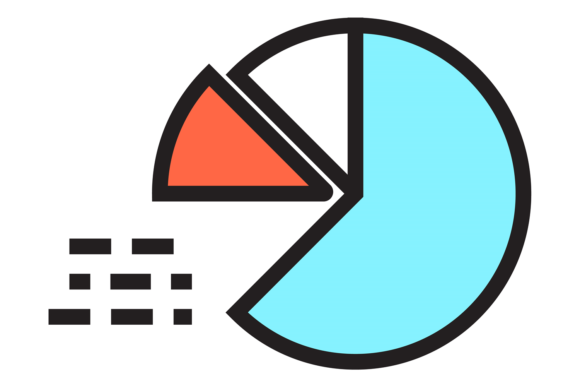
The first impression of this illustration is surprisingly strong for what might initially seem like a dry, corporate subject. While pie charts are often associated with boardroom presentations, this specific icon carries a clean, modern aesthetic that translates beautifully into contemporary handmade styles. It feels minimal yet decorative, avoiding the cluttered look of traditional clipart. The lines are crisp, and the isolation on the white background suggests a high-quality source file. For the creative entrepreneur looking to add a touch of data-driven chic to their products, this symbol offers a sophisticated vibe that appeals to a professional buyer demographic.
Real-World Applications for Cricut and Silhouette Projects
In my experience, the best graphics are those that bridge the gap between digital simplicity and physical texture. This Pie Chart Icon. Statistic Diagram Symbol shines when adapted for various crafting mediums. Because it is provided as an SVG design, it integrates seamlessly into cutting software like Cricut Design Space or Silhouette Studio without requiring extensive tracing or cleanup.
One of the most exciting applications I found was for personalized planner stickers. The clean geometry of the pie chart works perfectly for bullet journal enthusiasts who love organizing their lives visually. By scaling it down and adding a thin border, it becomes a charming accent for productivity-themed sticker sheets. Similarly, for t-shirt design projects targeting teachers, accountants, or data analysts, this icon serves as a clever, understated graphic element. It allows the wearer to express their profession with humor and style rather than loud, text-heavy slogans.
I also experimented with using this asset for sublimation design on tumblers and mugs. The transparent PNG version proved useful here, allowing me to layer the icon over textured backgrounds or integrate it into larger infographic-style layouts. Whether you are creating a set of "Budget Planner" mugs or "Tax Season" gift tags, this illustration adds a pop of visual interest that elevates the perceived value of the product. It transforms a simple drinkware item into a thoughtful, functional tool for the recipient.
Strategic Use in Handmade Business Branding
For small business branding, consistency is key. This graphic design asset can serve as a recurring motif in your shop’s visual identity. Imagine using variations of this statistic diagram symbol on your packaging tape, thank-you cards, or social media headers. It communicates organization, clarity, and precision—values that resonate deeply with customers who buy from organized, professional sellers.
When designing a design bundle for a seasonal collection, such as a New Year’s resolution kit or a financial planning workshop handout, this icon acts as a perfect anchor. It pairs exceptionally well with script fonts for a feminine touch or bold sans serif fonts for a modern, industrial look. I found that placing it next to handwritten font styles created a nice balance between structure and personal warmth, which is essential for connecting with buyers on creative marketplaces.
Furthermore, this asset is ideal for printable wall art aimed at home offices. A minimalist black-and-white version of the pie chart can be framed alongside motivational quotes, creating a cohesive gallery wall for remote workers. It fits naturally into the ecosystem of digital products that crafters sell, offering low-overhead inventory that generates passive income once the initial setup is complete.
Technical Considerations and Best Practices
While this illustration is robust, there are specific areas where it requires careful handling to ensure a professional final product. First, always test the file before selling finished products. Even though the SVG is likely clean, checking the node paths in your cutting software will reveal any unnecessary curves or overlapping segments that could cause issues during the cutting process.
Be cautious when using this asset for very small cutting details. If you plan to create tiny decals or intricate layered vinyl projects, the segments of the pie chart may become too narrow to cut cleanly or may lose their shape entirely. In such cases, simplifying the layout by removing inner details or thickening the stroke weight is necessary. Additionally, when working with low-contrast colors, ensure the distinction between the different slices remains visible, especially on dark substrates like black tote bags or navy blue shirts.
Preview the PNG transparency thoroughly before committing to print. Sometimes, compressed images can introduce artifacts around the edges, which look unprofessional in close-up product mockups. Confirm the resolution for sublimation purposes; while vector files scale infinitely, raster versions must meet the DPI requirements of your printer to avoid pixelation. I recommend placing the design on real mockups early in the process to check how it interacts with shadows, folds, and curves on three-dimensional objects.
Final Verdict for Creative Entrepreneurs
The Pie Chart Icon. Statistic Diagram Symbol is more than just a generic infographic sign isolated on a white background; it is a flexible tool for the modern maker. It offers the structural integrity needed for precise cutting and the aesthetic appeal required for high-end handmade goods. Whether you are enhancing a craft fair display, updating your Etsy product listings, or creating unique gift products, this illustration provides a reliable foundation for your designs.
However, remember to confirm commercial licensing before using it for customer orders or handmade business products. Ensuring you have the right to use these design assets commercially protects your reputation and your revenue stream. When used thoughtfully, paired with appropriate typography, and tested rigorously, this graphic can become a staple in your portfolio, helping you create cohesive, professional, and profitable handmade collections.