★★★★☆4.5(108 reviews)
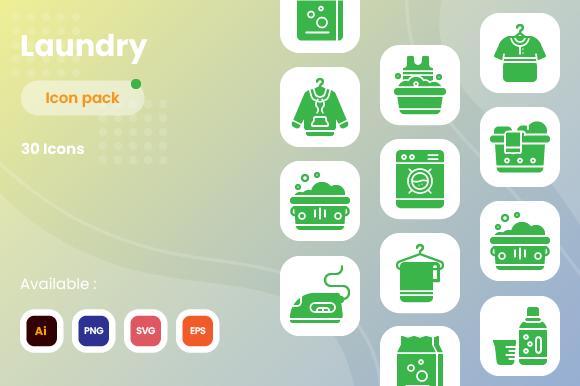
Laundry: A Fresh Icon for Embroidery Projects
Performance Across Different Embroidery Projects
- Custom Apparel: It works great on sweatshirts and t-shirts where understated style is key. The lack of sharp angles makes it comfortable on curved surfaces like the chest area.
- Baby Clothes & Nursery Decor: The gentle curves and friendly shape are perfect for a baby laundry room sign or a whimsical applique on a onesie. It adds a touch of personality without being overwhelming.
- Tote Bags & Aprons: On thicker materials like canvas or linen, Laundry maintains its clarity. It’s a good choice for tote bag designs that aim to be functional yet stylish.
- Embroidered Patches: The design translates well into a patch format, particularly when using a combination of running stitch and fill stitch to keep the weight down and the appearance neat.
- Pillow Covers & Tea Towels: These items often require a cohesive aesthetic. Laundry’s fresh look complements other lifestyle-themed icons and graphics seamlessly.
- Holiday Gifts & Personalized Products: For Christmas gifts or personalized towels, Laundry can serve as a charming motif. Just ensure the thread colors contrast well against the fabric to make it pop.
Where to Use Laundry with Caution
- Small Hoop Sizes: If you plan to use this design in a tiny hoop (like 3x3 inches), test it carefully. Some elements may become too delicate and prone to distortion or breakage during stitching.
- Textured Fabrics: On denim, flannel, or wool, the texture can affect stitch definition. Consider using a heavier stabilizer and adjusting stitch density accordingly.
- Stretchy or Thin Fabric: Avoid using Laundry on stretchy materials like spandex or thin synthetics unless you have proper backing. Stretch can cause misalignment or warping in detailed areas.
- Dark Backgrounds: While the design is editable, dark fabric requires high thread color contrast to remain visible. Always do a black-and-white mockup to check visibility.
- Curved Surfaces: When embroidering caps or hats, the curvature can impact how the design lays. Test on scrap material before finalizing any project with curved embroidery.
- Frequent Washing Items: Since Laundry is meant for items like kitchen towels or baby clothes, ensure the design uses durable threads and appropriate stabilizers to prevent fraying over time.
Design Notes for Optimal Stitching Results
- Test First: Always try the design on a scrap piece of your intended fabric. This helps catch issues with stitch behavior, tension, or fabric reaction early.
- Check Thread Contrast: Especially important for holiday embroidery or personalized gifts. Make sure the thread colors clearly stand out against the fabric background.
- Review Stitch Density: If you're working on a tote bag design or a pillow cover, lower stitch density might be better to avoid stiffness. But for a decorative accent, denser stitches will give a cleaner finish.
- Confirm Hoop Size: If you haven't been provided with exact dimensions, double-check the required hoop size in your software. This ensures the design fits properly and stitches evenly.
- Inspect Small Details: Even though Laundry isn’t overly intricate, small parts like handles or dots should be checked for potential stitch issues or gaps after editing.
- Use Proper Stabilizer: Depending on the fabric type, a tear-away or cut-away stabilizer might be necessary to preserve the design’s integrity, especially for stretchy or delicate materials.
Visual Appeal and Customer Perception
Its modern and slightly whimsical look adds character to handmade products without being too flashy. It enhances product value subtly, suggesting attention to detail and quality craftsmanship. For hobbyists and crafters, this means your personalized gifts or boutique branding efforts can gain extra recognition through thoughtful design choices.
Customers tend to trust products with clean, recognizable motifs. Laundry does a solid job of creating that sense of reliability—especially useful for small shop products or commercial embroidery. The design’s clarity also helps with giftability; it’s instantly understandable and relatable, which increases buyer engagement and satisfaction.
Final Thoughts from the Designer’s Bench
test the design, check thread colors, review stitch density—just like you would with any other embroidery project. Also, don’t forget to compare how it looks on light versus dark fabric backgrounds, since contrast plays a big role in how customers perceive your finished product.
⬇️ Download Free
Free download · No sign-up required
🔗 You Might Also Like
Icons
Professional Presentation Tips Test on scrap fabric first. Especially if you're ...
Icons
First Impressions: A Modern and Minimalist Approach As a seasoned embroidery des...
Icons
When I sit down to evaluate a new digital asset for my embroidery studio, I am r...
Icons
As a brand designer who has spent years helping local businesses find their visu...
Icons
As a handmade business owner who spends half my day cutting vinyl and the other ...
