Indonesia Tourism Landing Page Templates: A Designer’s Real-Use Review
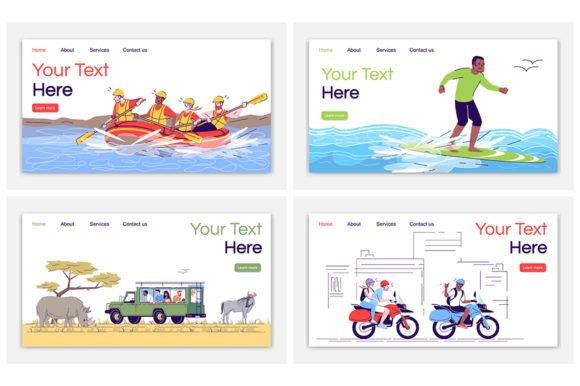
As an experienced embroidery designer and product reviewer, I always approach a new design with curiosity and caution. When I first saw the Indonesia Tourism Landing Page Templates, my interest was piqued—not just for its aesthetic but for how it could translate into real-world embroidery projects. The theme is bold yet playful, centered around adventurous activities like rafting, surfing, safari trips, and motorcycle riding, all rendered in flat illustration style. It feels fresh, modern, and instantly evokes the spirit of travel and exploration.
First Impressions and Design Personality
The vector layout of these templates has a clean, digital vibe that’s easy to customize. The use of bright colors and simple shapes gives off a cheerful, youthful energy—perfect for branding or promotional materials related to tourism or adventure. As an embroidery file, this kind of design can work well if you’re aiming for a whimsical, cartoonish look. The visual personality is upbeat and inviting, which makes it ideal for products like tote bags, apparel, or even baby items where a lighthearted touch is appreciated.
What stands out most is the flat illustration concept. This means the artwork avoids complex shading and depth, focusing instead on clear lines and solid fills. In embroidery terms, this simplifies stitch execution while still maintaining character. The homepage layout and banner elements suggest flexibility in placement and scalability, so they adapt well to different hoop sizes and fabric types—if you choose wisely.
Real-Life Use Scenarios
I imagined using these templates for a custom sweatshirt design for a local travel blog. The surfing illustration would be perfect as a front motif, paired with a short slogan stitched below. The same design could easily become a patch for a backpack or a cap, especially for those targeting young travelers or adventure seekers. For craft business owners, this template set offers a ready-to-use design that fits into seasonal collections, such as holiday gifts or summer-themed merchandise.
In terms of sweatshirt embroidery, the larger illustrations (like the rafting or safari scenes) are great for back panels or sleeves. However, for smaller areas like the chest or wristband, you’ll need to scale down carefully. Tiny lettering and intricate corners might get lost at lower resolutions, so attention to detail is key. The same applies to tote bag designs—these templates have enough visual pop to make your handmade product stand out at craft fairs or Etsy shops.
Performance in Different Embroidery Projects
When applied to custom apparel, the Indonesia Tourism Landing Page Templates deliver strong visual appeal. The stylized characters and activity scenes are engaging and add a sense of movement and storytelling to the piece. On cotton or medium-weight blends, the stitch clarity is good, especially when using contrasting thread colors. But on stretchy or thin fabrics, the details may not hold up as well, leading to potential distortion or loss of definition.
For embroidered patches, the flat illustration style works beautifully. The clean lines and limited color palette make it easier to manage stitch layers and avoid bulkiness. That said, if the design includes many overlapping elements or dense fill stitches, you might want to simplify before digitizing it for patch use. I’ve found that too much density in small spaces can lead to stiffness or puckering, especially without proper stabilizer support.
Baby embroidery is another area where these templates shine—but only when used thoughtfully. The safari trip and motorcycle ride motifs could be reworked for more delicate themes, like jungle animals or tropical landscapes. The bright colors and soft outlines feel appropriate for nursery decor or personalized gift items, though I’d recommend toning down the intensity for a more gentle look.
Where to Use with Caution
While the Indonesia Tourism Landing Page Templates offer versatility, there are some limitations based on embroidery best practices:
- Small hoop sizes: Details may become lost if scaled too small.
- Textured fabrics: Raised textures can interfere with stitch clarity.
- Thin or stretchy materials: These require extra stabilizer to prevent distortion.
- Dark backgrounds: Thread contrast needs careful selection to ensure visibility.
- Curved surfaces: Caps or curved garment parts may warp the layout if not adjusted properly.
- Dense stitch areas: Can cause fabric stiffness, especially on lightweight items like aprons or tea towels.
If you're planning to embroider these graphics onto something like a pillow cover or kitchen towel, consider how often the item will be washed. Dense fill stitches or decorative accents may wear faster than simpler stitch styles like running or satin stitch.
Impact on Product Value and Branding
Using these templates elevates the visual appeal of any project. They give your finished product a professional edge, especially if you're targeting customers who love travel-themed merchandise. The consistent design language across web banners and homepage layouts also helps maintain brand consistency, making them a valuable asset for digital embroidery files and printable mockups.
From a customer perspective, these designs are likely to attract attention. Whether it's a personalized gift or a small shop product, the bright, fun visuals align with current trends in lifestyle branding. There’s a level of recognition that comes from using recognizable imagery like waves, jungles, and motorbikes—this can help build trust and engagement with buyers looking for unique, expressive items.
Designer Notes for Practical Application
Here are a few tips I’ve learned through trial and error when working with similar graphic-style embroidery designs:
- Test on scrap fabric first: Especially if you plan to use it on a high-value product like a custom hoodie or embroidered tote.
- Check thread color contrast: Bright hues may fade or blend on dark or textured fabrics.
- Review stitch density: Too tight can damage fabric; too loose may lose detail.
- Confirm hoop size: Some elements might need more space than others to maintain integrity.
- Inspect small details: Tiny icons or lettering should be checked for clarity after stitching.
- Test black and white mockups: To ensure the design remains legible without color.
- Compare light and dark fabric backgrounds: This helps visualize how the design will appear in different contexts.
- Use proper stabilizer: Especially important for delicate or stretchy materials.
- Check licensing before selling: If you’re using this in commercial projects or digital assets, confirm whether the license allows resale of finished goods or digital downloads.
These steps help ensure that what looks great on screen translates effectively into a tangible, handmade product that retains its charm and professionalism after being stitched.
Final Thoughts for Crafters and Entrepreneurs
Embroidery is as much about artistry as it is about technical execution. The Indonesia Tourism Landing Page Templates provide a solid foundation for creative entrepreneurs who want to add thematic flair to their offerings. They’re particularly useful for Etsy sellers or boutique brands looking to create cohesive, eye-catching design assets that reflect a sense of place and personality.
That said, don’t let the digital appeal blind you to the practicalities of stitch rendering. Always test the design in real conditions before mass production. Consider how each element interacts with fabric texture, stitch type, and end-use scenario. By doing so, you’ll preserve the visual intent of the original graphic templates while ensuring durability and quality in your finished product.
Overall, these templates are a promising addition to any designer’s collection. With the right preparation and adjustments, they can enhance your embroidery project and help your craft business connect with customers in meaningful, stylish ways.