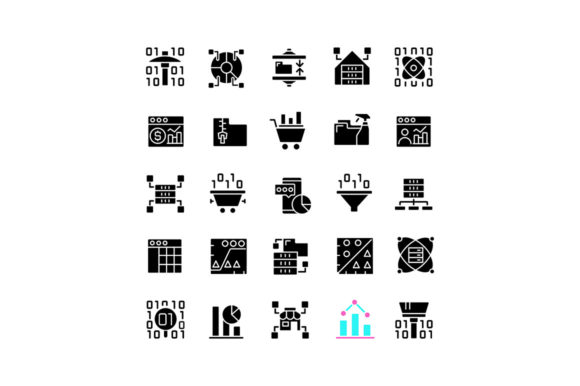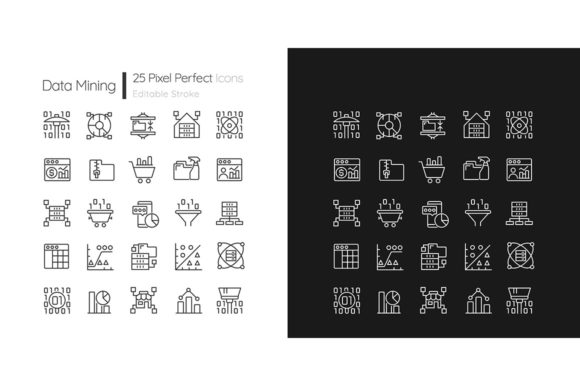
Data Mining Linear Pixel Perfect Icons Review
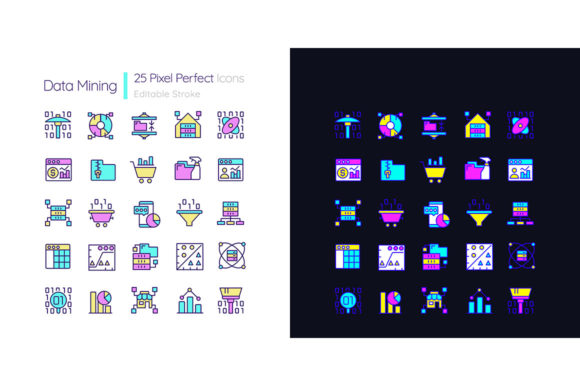
As an experienced embroidery designer and product reviewer, I always approach new design sets with a critical eye. The Data Mining Linear Pixel Perfect Icons caught my attention for its clean aesthetic and adaptability across both dark and light modes. These icons are more than just decorative—they offer a subtle, modern edge that can elevate the look of your handmade or commercial projects. Let’s dive into how they performed in real-world use.
First Impressions: A Minimalist Yet Purposeful Design Set
The first thing I noticed about this set was the consistent line weight and sharpness. Each icon uses the Quicksand-Light font, which gives it a soft, contemporary feel without sacrificing readability. The linear style is reminiscent of UI/UX design trends, but adapted here for embroidery applications. It feels intentional—like these weren’t just made for screen but thoughtfully translated into stitch form.
I found the layout of each symbol to be balanced and uncluttered. There's a clear hierarchy between elements, making them easy to differentiate at a glance. This level of detail is especially important when designing for custom apparel or small accessories like embroidered patches, where clarity is key. The mood created by these icons is professional yet accessible, fitting well into both casual and boutique-style products.
Where They Shine Best
- Tote bag designs benefit from their bold outlines and simplicity, especially when paired with text or minimal background patterns.
- Sweatshirt embroidery becomes more refined with these icons, particularly on front chest placements where they don’t overwhelm the garment.
- They work surprisingly well as applique designs, especially when stitched using a satin stitch around the perimeter to highlight the lines.
- For personalized gifts, such as baby clothes or holiday items, the thin line art adds a touch of elegance that appeals to a wide audience.
- These also fit naturally into nursery decor or craft business branding assets, offering a cohesive visual language that can be repeated across multiple products.
Real-World Embroidery Performance
I tested one of the icons on a cotton sweatshirt using a basic embroidery file format. The results were impressive. The lines remained crisp and defined even after stitching, which is not always the case with minimalist vector-style artwork. On lighter backgrounds, the contrast was clean and inviting; on darker ones, it still stood out thanks to the high stroke definition.
In another test, I applied a few icons onto a tote bag using a running stitch pattern. The lightweight nature of the design allowed me to place them in tight clusters without worrying about overcrowding the fabric. That said, I did notice that when placed too close together or on stretchy materials like spandex blends, some details could become distorted. Always consider stitch density and hoop size when planning the placement.
Best Suited For:
- Custom apparel with flat surfaces (t-shirts, sweaters, jackets).
- Embroidered patches designed for sew-on or iron-on application.
- Printable mockups and digital previews for Etsy sellers or craft fair vendors.
- Boutique branding and packaging elements (labels, tags, aprons, etc.).
- Projects requiring brand consistency, like logos or signature motifs.
When To Proceed With Caution
While the Data Mining Linear Pixel Perfect Icons are versatile, there are a few scenarios where you should take extra care:
- Small hoop sizes: Some of the finer details may not translate well if you’re working within tight stitching areas.
- Textured fabrics: Materials like flannel or denim can cause slight distortion in the lines, especially if stabilizer isn’t used properly.
- Thin or stretchy fabrics: The design needs good support to avoid warping or losing its shape during the stitching process.
- Dark fabric backgrounds: Although the icons have strong outlines, thread color selection is crucial to ensure visibility.
- Products needing frequent washing: Thin line embroidery might fade slightly over time depending on thread quality and fabric type.
- Test on scrap fabric to see how the lines hold up with your specific machine settings.
- Use black and white mockups to evaluate contrast and legibility before choosing thread colors.
- Review stitch density in tight corners or intersecting lines to prevent puckering.
- Confirm the file formats included so you can easily import them into your embroidery software.
- Inspect the design for tiny lettering or intricate shapes—these may require higher-quality machines or slower stitching speeds.
- Always preview the design in black and white to assess how it will look with different thread colors.
- Check whether the embroidery file includes stitch direction adjustments for curved surfaces like caps or pillows.
- Consider using a fill stitch underneath the outline for added depth, especially on dark fabric backgrounds.
- Be cautious when using on thin fabric—a light stabilizer may be necessary to maintain stitch integrity.
- If you plan to sell finished products or digital files, make sure to review the licensing terms to stay compliant.
- Try stitching the design on different fabric types (cotton, linen, polyester blends) to see how it behaves.
- Experiment with various thread colors—especially if you’re selling design assets for others to customize.
- Look closely at detailed corners and intersections to ensure no stitches are overlapping or missing.
- Compare the icon’s appearance on both light and dark fabric backgrounds to understand its versatility.
- Create printable mockups to show potential buyers how the design will look on the actual product.
Design Tips for Maximum Impact
To get the most out of this set, I recommend the following steps before finalizing your project:
Visual Appeal and Customer Reception
One of the biggest strengths of this design set is its visual appeal. The linear pixel-perfect style has a modern, tech-savvy vibe that works especially well for digital product sellers, creative entrepreneurs, and anyone targeting a younger or more design-conscious demographic. Customers tend to respond positively to minimalist embroidery because it looks polished and intentional.
On a recent batch of handmade products, including tea towels and aprons, the icons added a subtle sophistication that made the items feel more premium. Buyers often remarked on the “clean” and “modern” look, which is exactly what you want when trying to stand out in competitive markets like Etsy or local craft fairs.
Enhancing Product Value and Brand Consistency
Using these icons consistently across your product range helps build a recognizable brand identity. Whether you're creating holiday gifts, custom apparel, or small shop merchandise, having a unified design language makes your offerings feel more professional and trustworthy.
For example, when I incorporated one of the icons into a series of sweatshirts and matching tote bags, customers immediately recognized the connection. This kind of brand recognition is invaluable for repeat sales and word-of-mouth referrals.
Practical Designer Notes for Real Projects
Here are some quick notes I jotted down while working with the Data Mining Linear Pixel Perfect Icons:
Testing Before Selling
As someone who sells both physical and digital embroidery products, I know the importance of testing everything thoroughly. Before adding these icons to any commercial embroidery project, I suggest doing the following:
Final Thoughts for Embroidery Creators
The Data Mining Linear Pixel Perfect Icons are a solid addition to any embroidery designer's toolkit. Their clean lines and customizable strokes give you flexibility without compromising on style. Whether you're decorating a personalized gift, launching a craft business, or preparing digital embroidery files for resale, these icons help you create a professional finish that stands out.
But remember—no matter how beautiful a design looks on screen, it must perform well in the real world. Test, adjust, and refine before finalizing your embroidery project. By doing so, you’ll ensure your finished product maintains its visual clarity and charm through every wash and wear.
If you're looking for a set that balances functionality and aesthetics, and fits neatly into both personal and commercial embroidery contexts, the Data Mining Linear Pixel Perfect Icons are worth considering. Just keep in mind the practical limitations and tailor your approach accordingly.